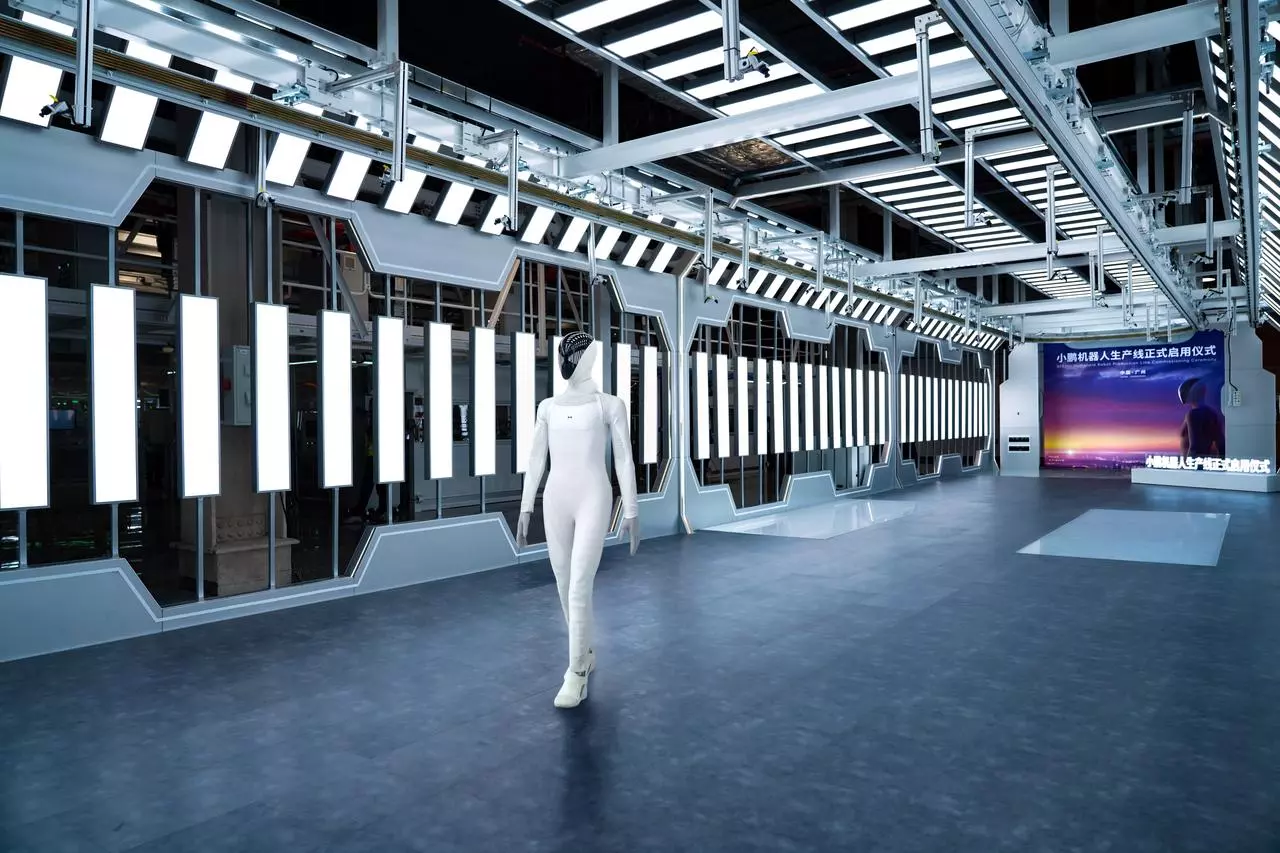
XPENG’s humanoid robot IRON leaves its production line on its own feet
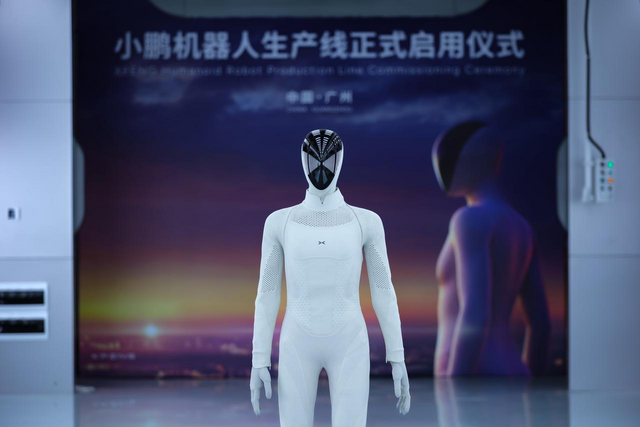
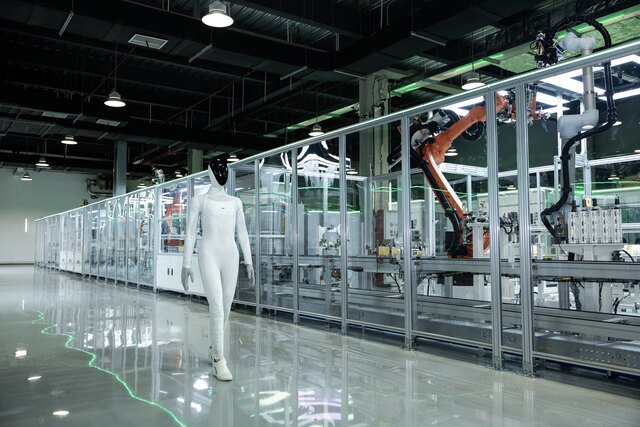
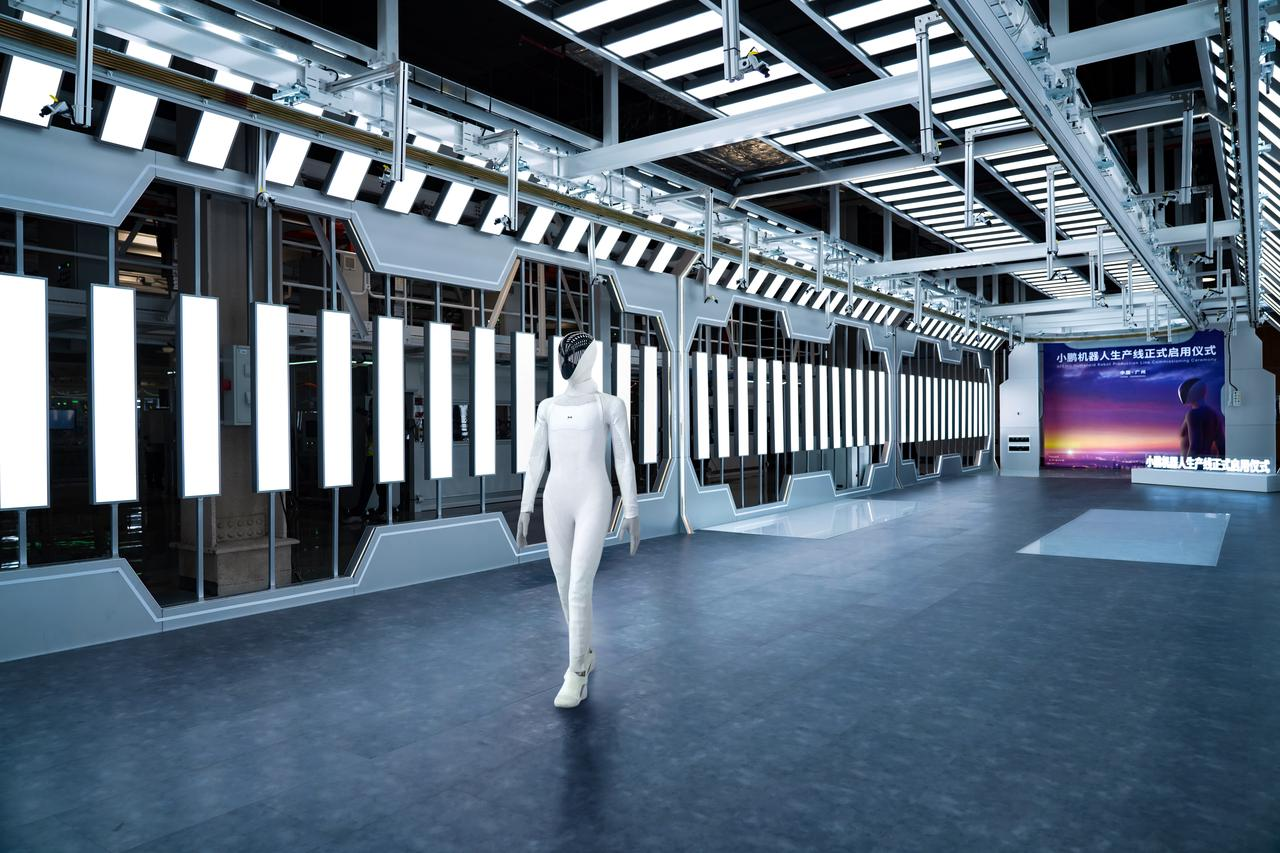
IRON autonomously leaves the newly commissioned manufacturing facility for humanoid robots
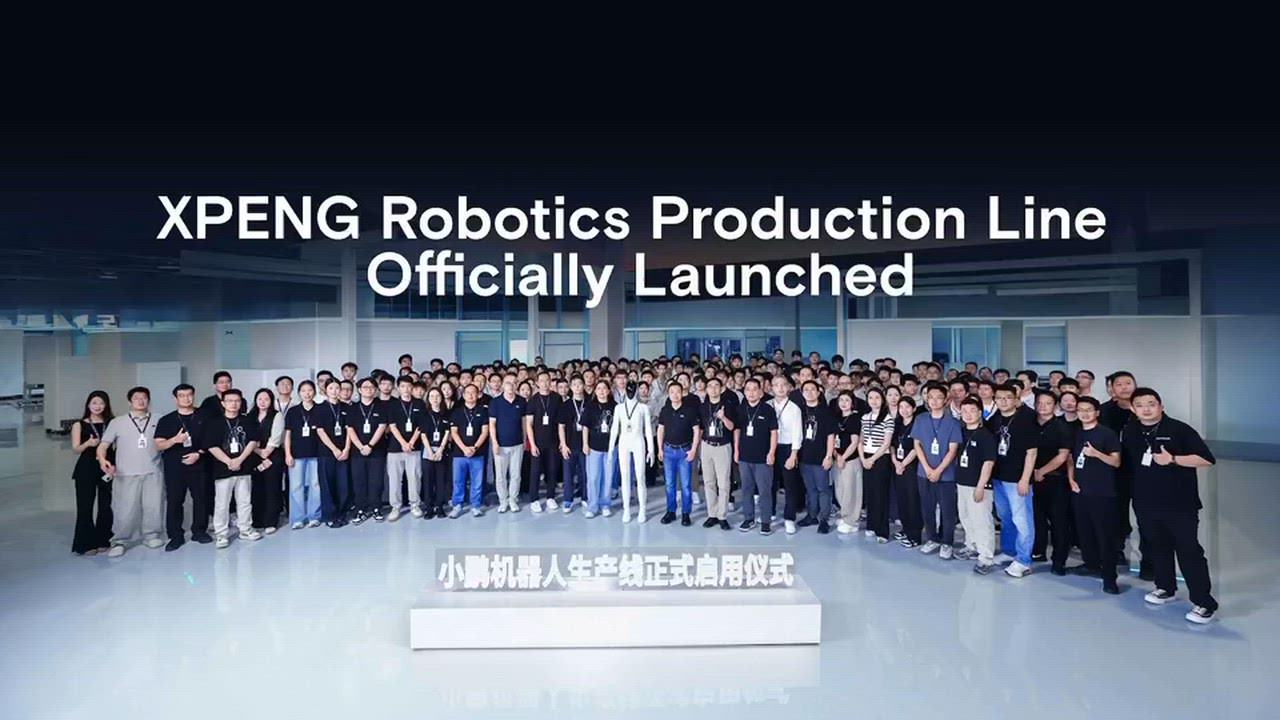
This marks the beginning of XPENG’s transition from research and development to serial production
XPENG plans to start mass production by the end of 2026. The first market launches and deliveries in China as well as in international markets are scheduled for 2027
png
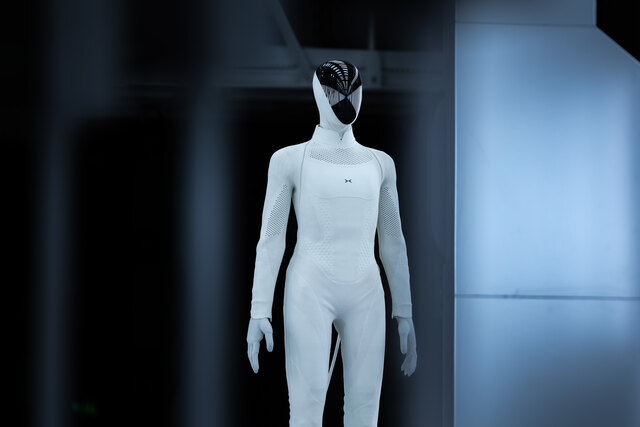
XPENG IRON
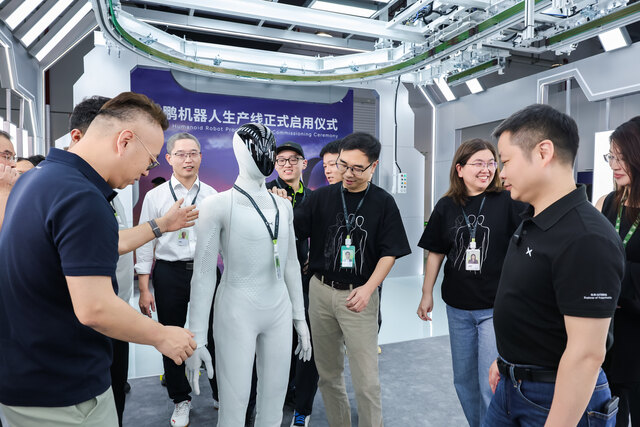
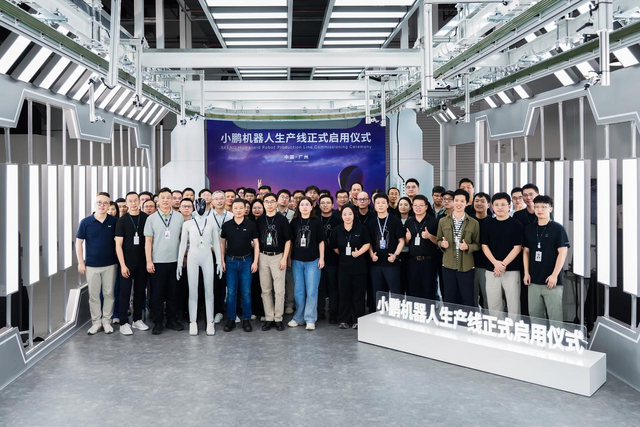
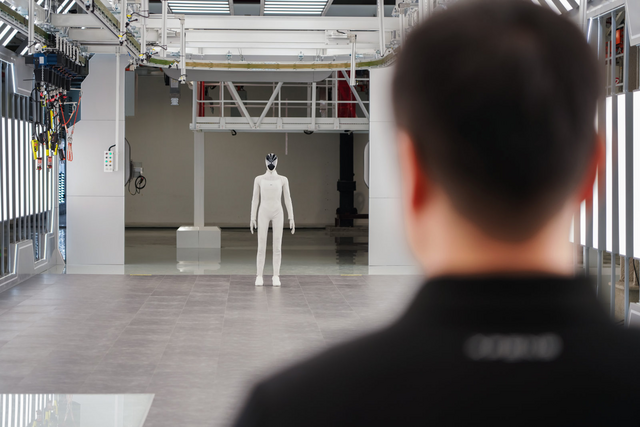
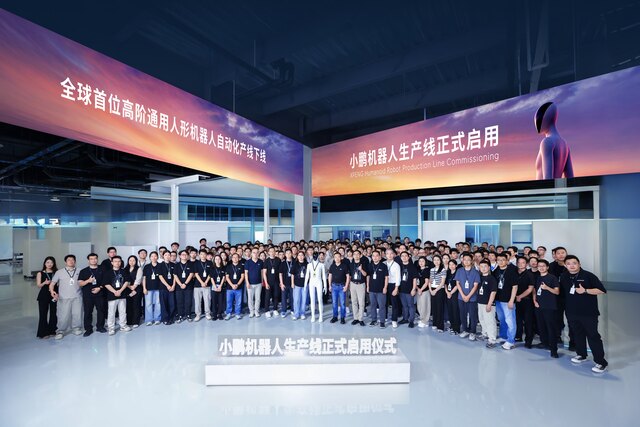
Munich, 9 September 2026 – XPENG has announced the commissioning of its production lines for the humanoid robot IRON. After production was completed, IRON walked autonomously off one of the newly commissioned lines. In doing so, XPENG marks the transition from the research and development phase to serial production and takes an important step toward mass production.
The newly commissioned production lines combine proven quality systems from the manufacturing of intelligent electric vehicles with the precision required for advanced humanoid robots.
Built to the high quality standards of the automotive industry, the manufacturing facility creates the conditions for mass production of advanced humanoid robots. More than 80 percent of the facility’s core processes are automated. This creates a highly precise, flexible and intelligent manufacturing system that supports consistently high quality in critical processes. The facility is designed to enable scaled production and rapid expansion of production capacity in the future.
XPENG’s robotics division recently raised more than US$900 million. The valuation after the financing round stands at over US$6.3 billion.
The manufacturing milestone follows an eight-year research and development cycle at XPENG, during which eight prototype generations featuring four-legged and two-legged robots were created.
“The production lines for our robots were built completely from scratch – without any model to follow. Today’s step may seem small, but XPENG is building the production lines for an entirely new product category,” says He Xiaopeng, Chairman and CEO of XPENG. “We will continue to work toward faster manufacturing and greater production capacity for robots, thereby helping to establish a leading robot manufacturing industry in China and worldwide.”
Start of production of the humanoid XPENG robot IRON
IRON as the core of the physical AI strategy
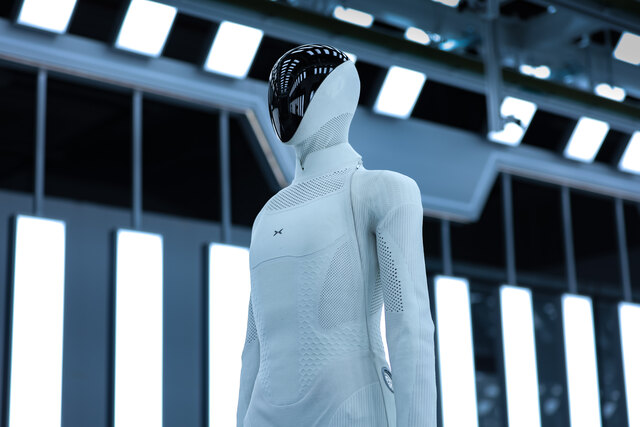
As a central building block of XPENG’s physical AI strategy, IRON is an advanced, versatile humanoid robot platform. It was developed for natural, human-like interaction in the real world and meets high safety standards. IRON can support a broad range of applications and continue to evolve through continuous learning in the real world.
IRON combines a human-like form and movement with a proprietary, fully enclosed and flexible lattice structure that unites aesthetics and safety. With 76 degrees of freedom (DOF) across the entire body and 21 degrees of freedom per hand, IRON enables a high level of dexterity and mobility.
Three Turing AI chips deliver computing power of up to 2,250 TOPS. This enables XPENG to deploy its foundation model for physical AI directly on the robot. IRON is therefore capable of carrying out complex tasks autonomously and without remote control. At the same time, low processing latency and enhanced data security are made possible.
IRON’s human-like hardware platform is intended to help XPENG make greater use of behavioral data from everyday human activities. This enables the robot to adapt to environments and applications designed for people.
With IRON entering mass production and being deployed in the real world, XPENG expects the emergence of a continuous cycle of data, models and applications. This is intended to accelerate the robot’s ability to learn, evolve and unlock new use cases.
“Our goal is to develop a new type of robot with comprehensive generalization capabilities that truly becomes part of everyday life, improves people’s lives and can ultimately become a companion in people’s lives,” adds He Xiaopeng.
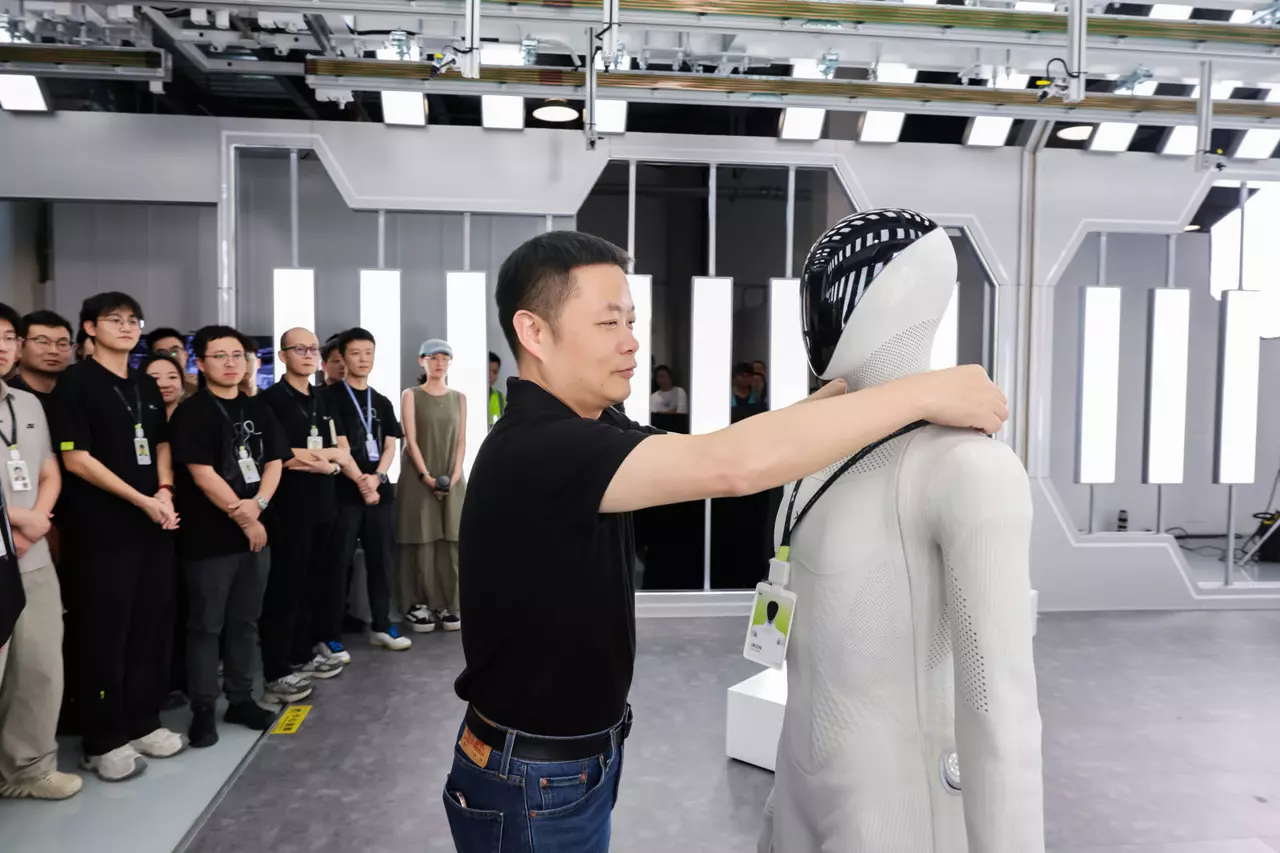
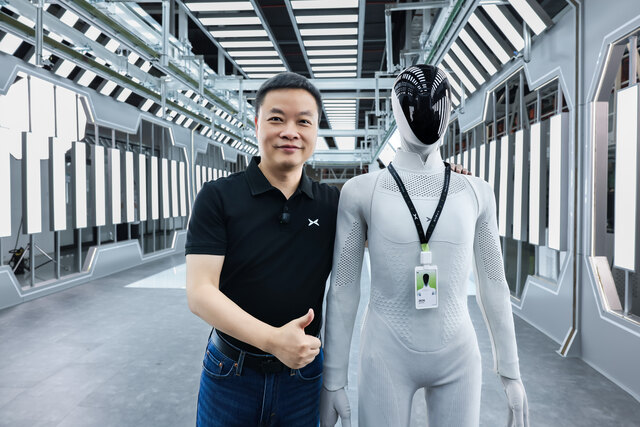
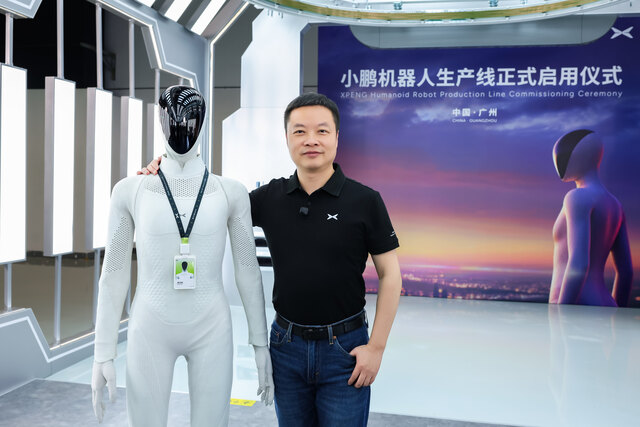
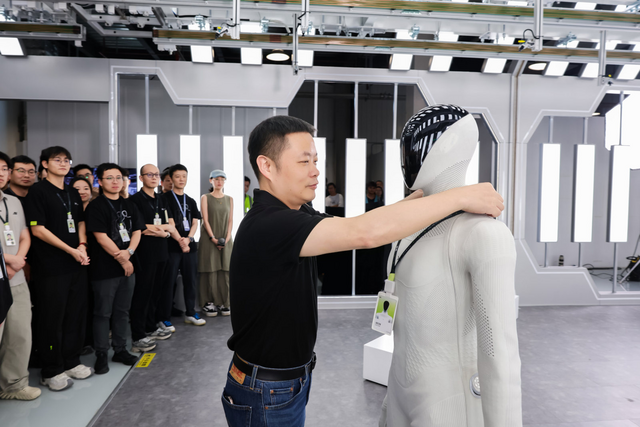
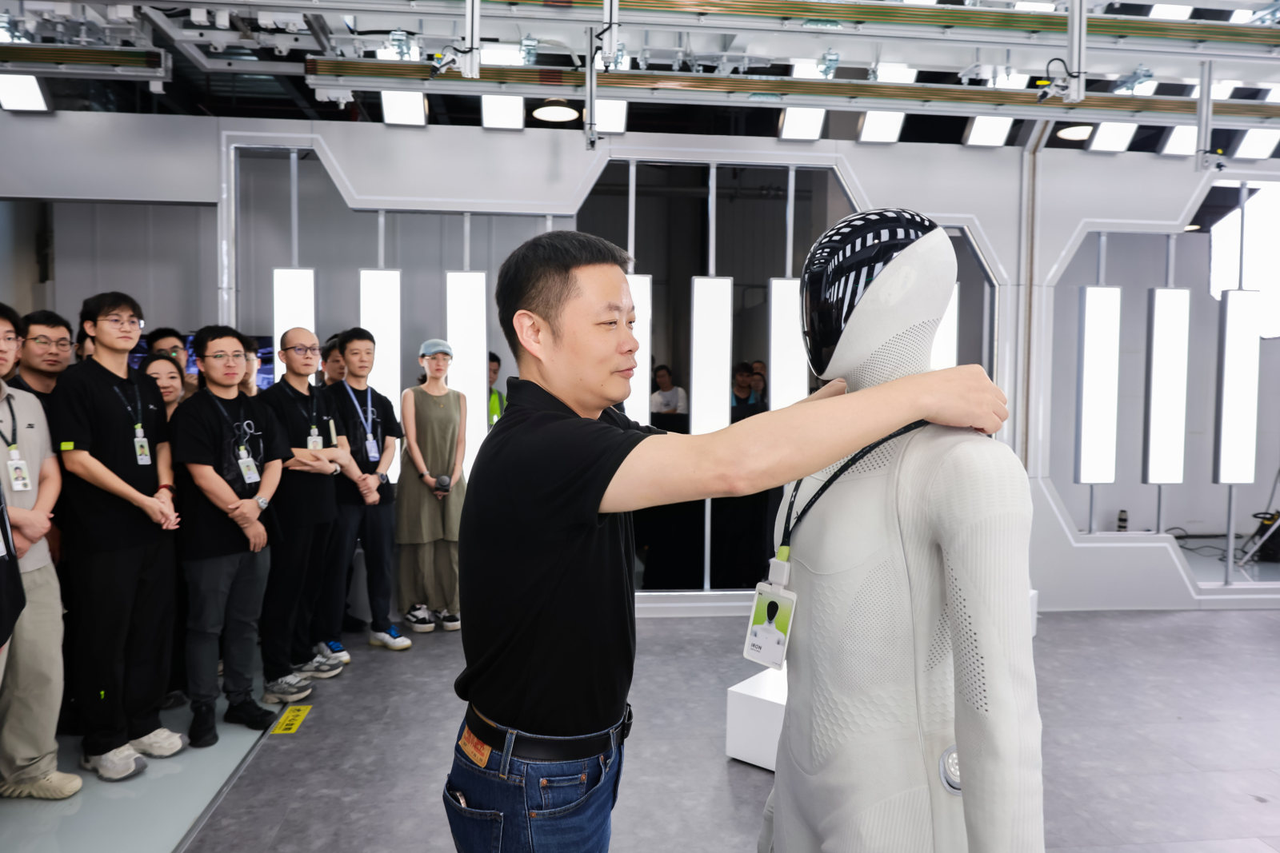
Symbolically, He Xiaopeng placed an employee badge around IRON’s neck – as a sign that the robot is now a member of the XPENG team.
png
He Xiaopeng and XPENG IRON
Pathfinder for mass production
The first commercial deployments are set to begin in XPENG sales centers and on XPENG company premises. The initial focus will be guided tours, shopping assistance and accompanying patrols.
The official market launches and deliveries in China and in international markets are planned for 2027.
XPENG remains committed to its physical AI and globalization strategy. Automotive, robotics and globalization form the company’s three core growth curves. The commissioning of the robot production lines marks an important milestone on the path to transferring physical AI technologies from model development and product research into industrial application.
XPENG remains at the top: The Chinese high-tech automotive brand has the most satisfied EV drivers in Germany, Austria and Switzerland. Its successful title defense in the annual satisfaction ranki...
XPENG remains on a growth trajectory in Switzerland: the Chinese high-tech automotive brand is continuously expanding its dealer network – and is now welcoming three new contract partners. With thi...
Under the motto “Innovations that change your world,” XPENG will present its technology and mobility ecosystem at IFA 2026 in Berlin. The high-tech and automotive brand combines artificial intellig...
Receive exclusive news
Are you a journalist or do you work for a publication? Sign up and request access to exclusive news.